
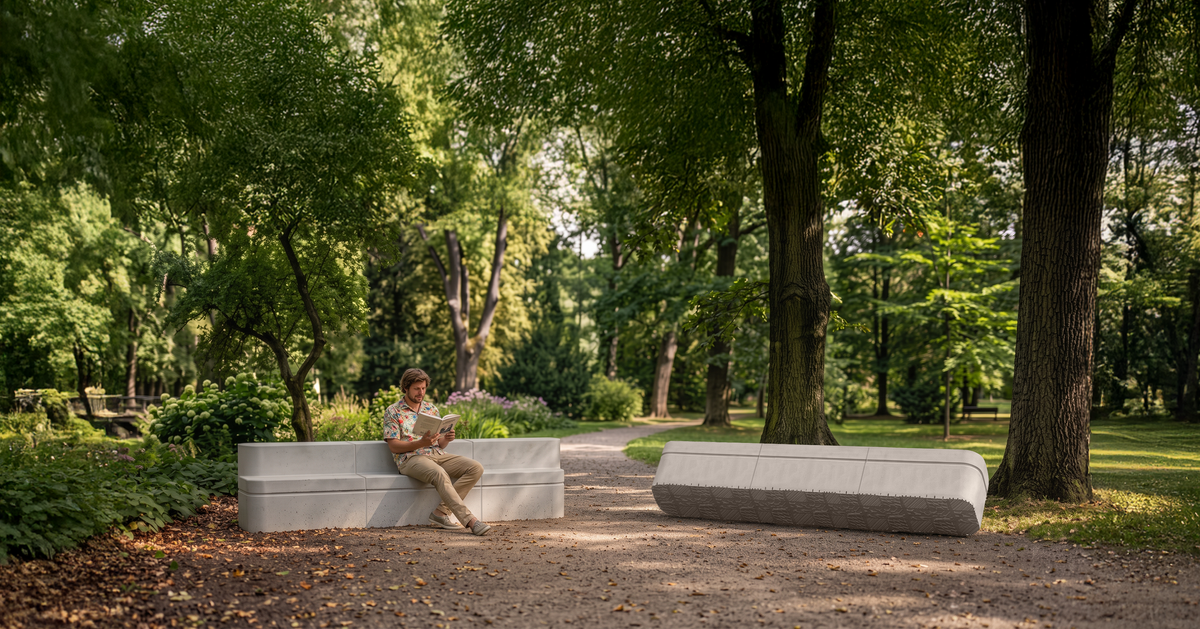

The Living City
Calls for a new generation of street furniture
Soil life and biodiversity as the foundation and design principle led to the creation of KREOS.
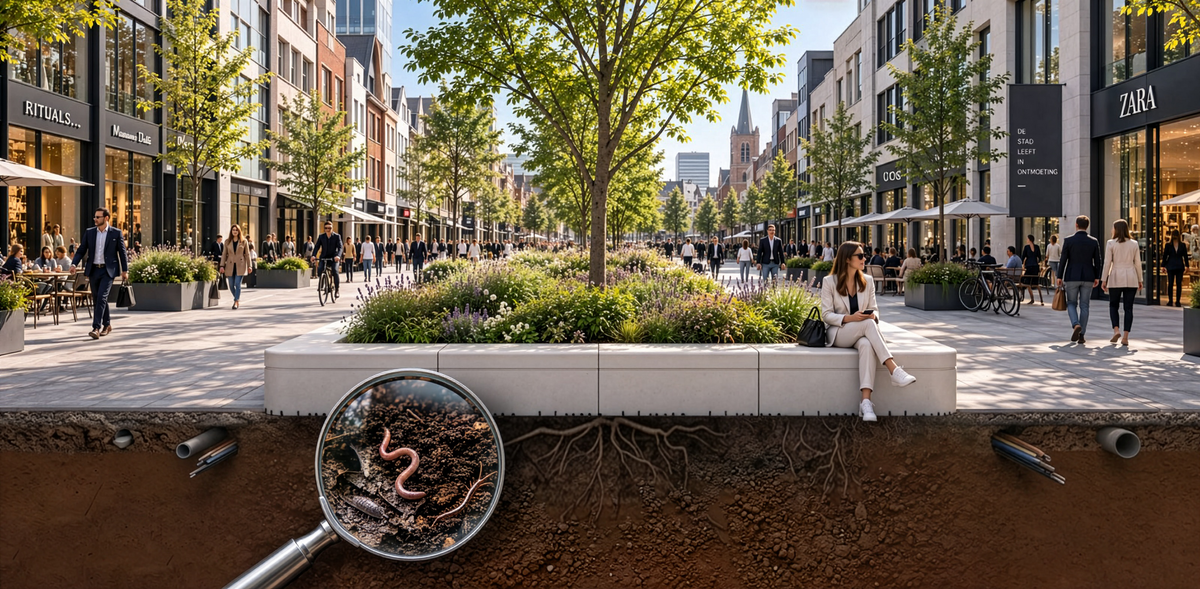
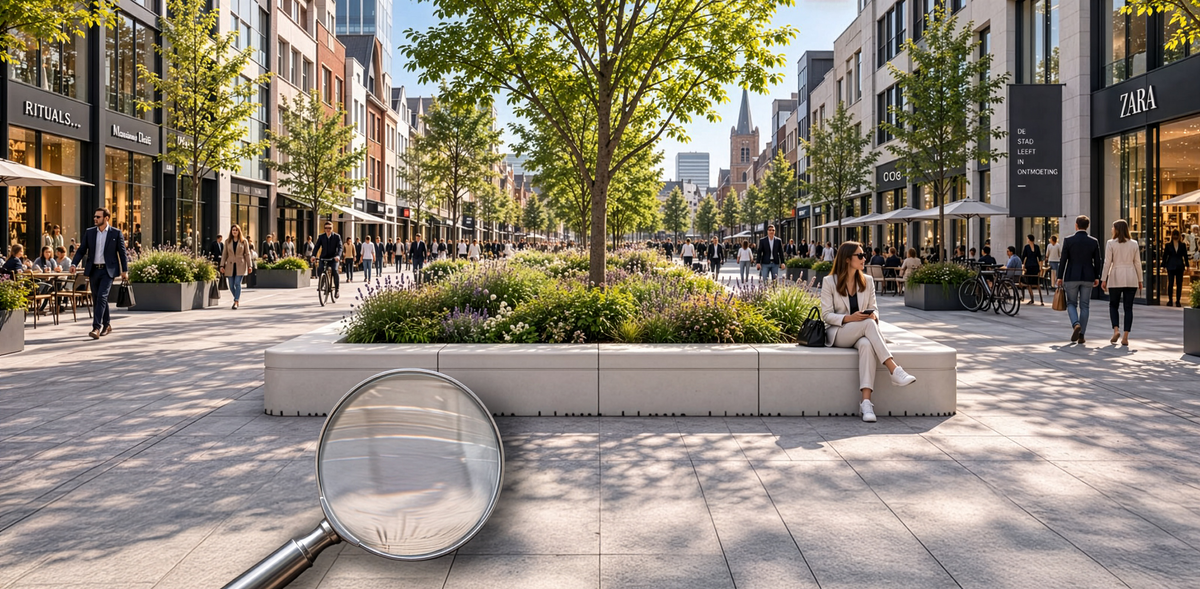
KREOS LUMBRI IN PRACTICE
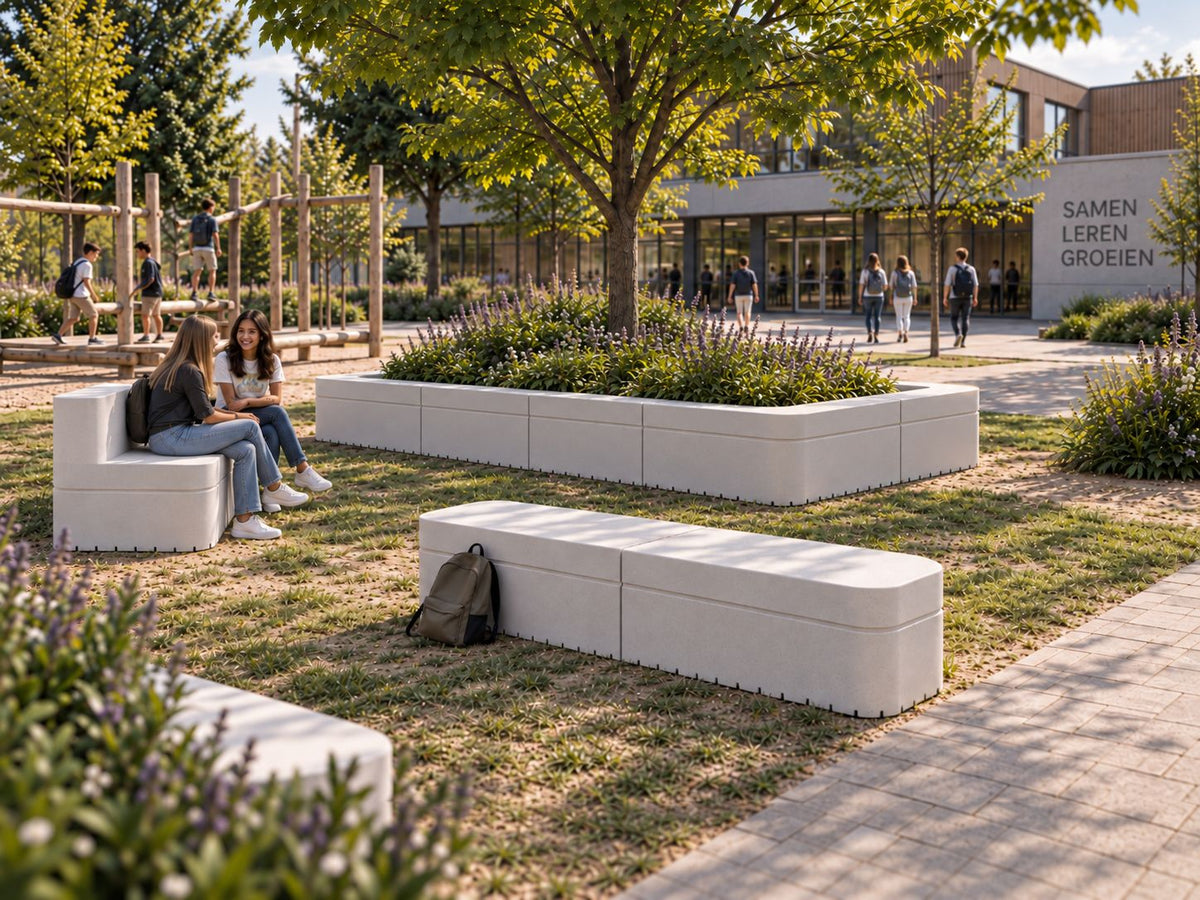
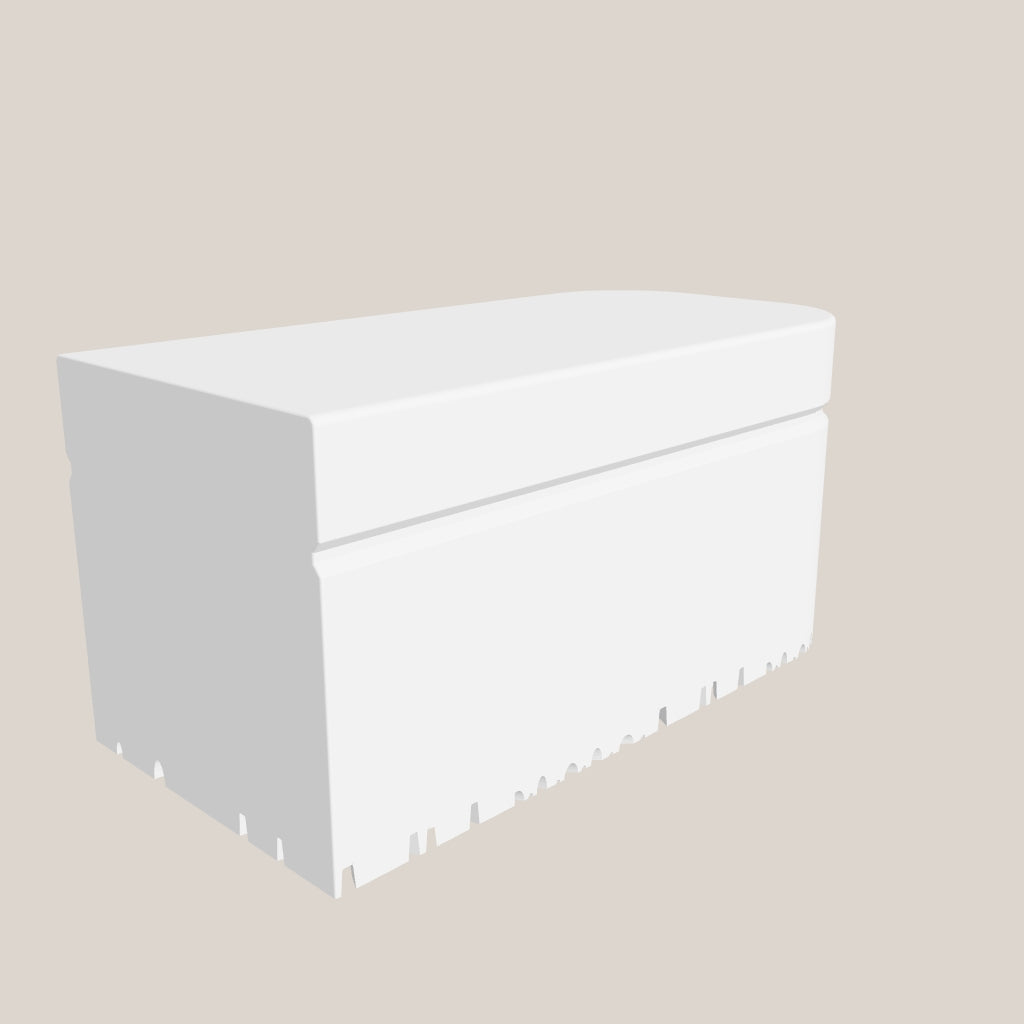
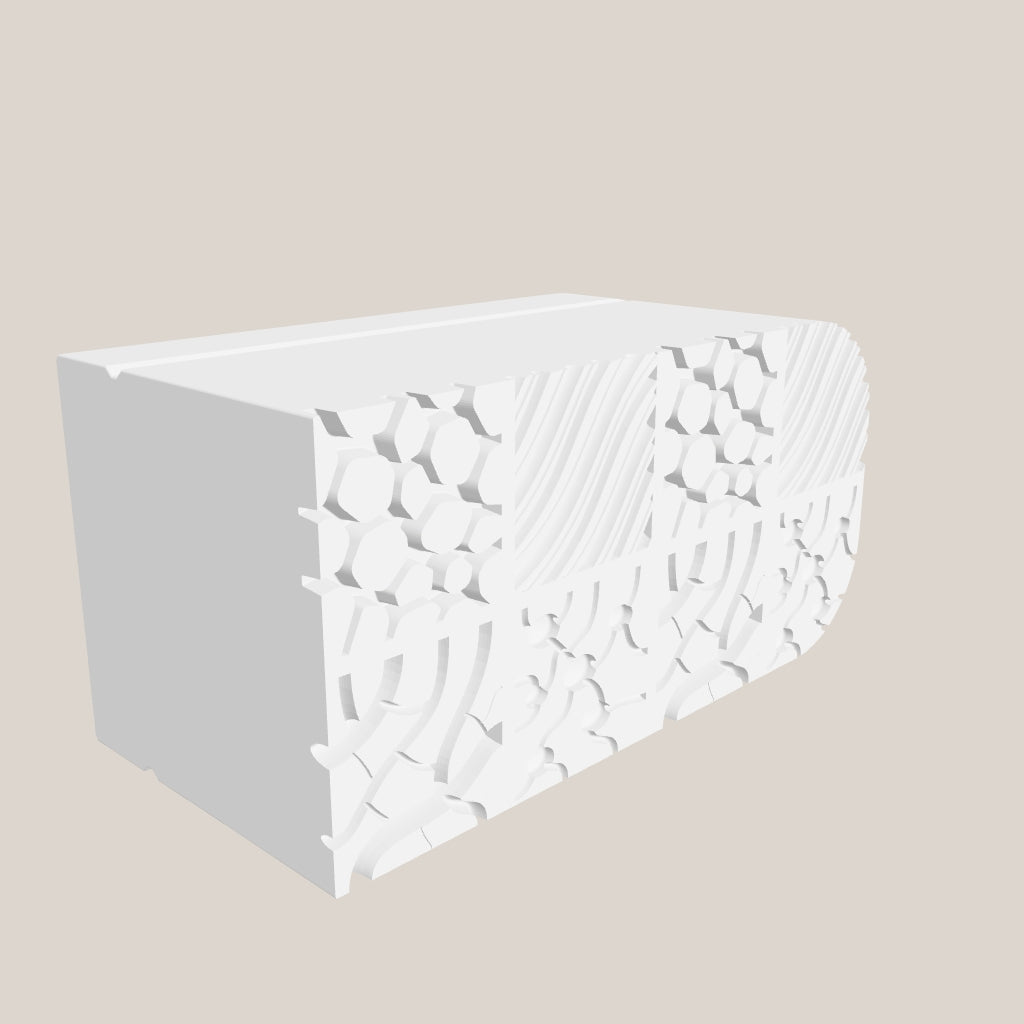
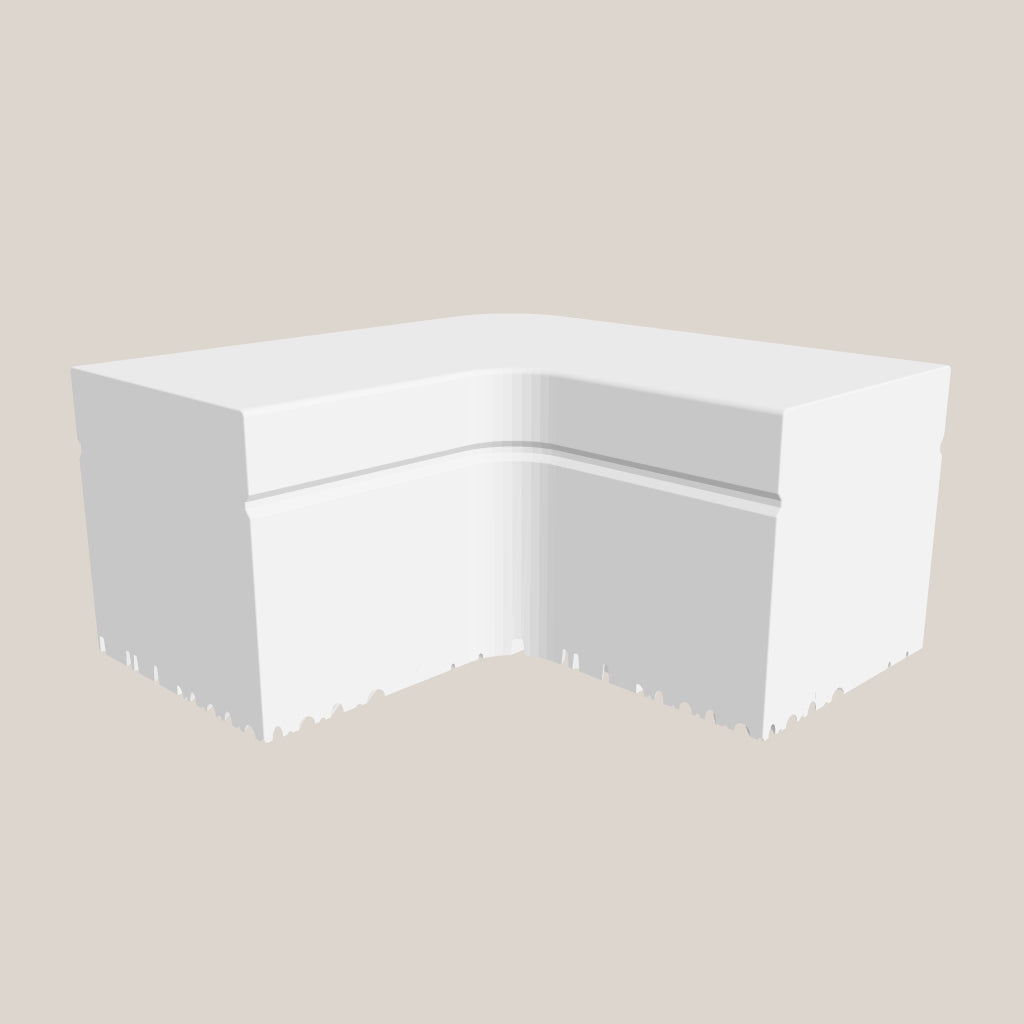
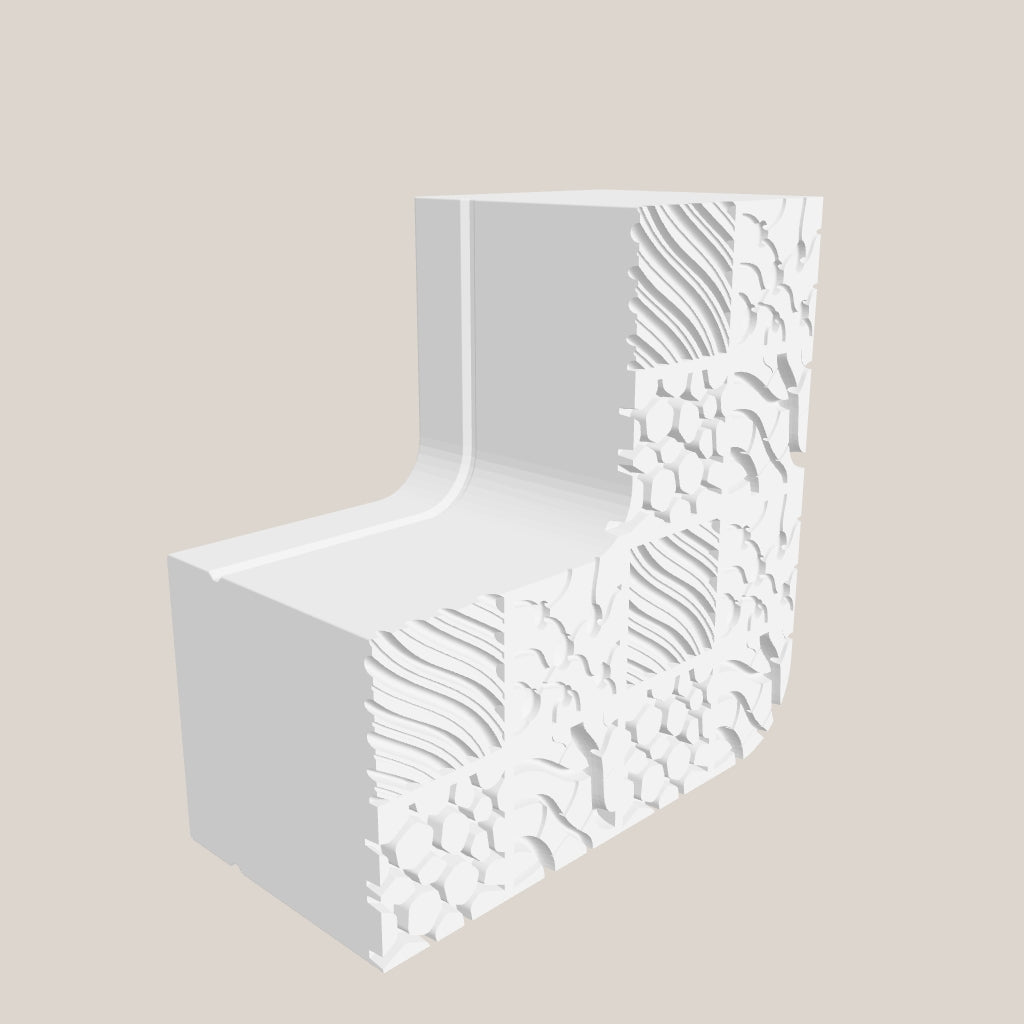
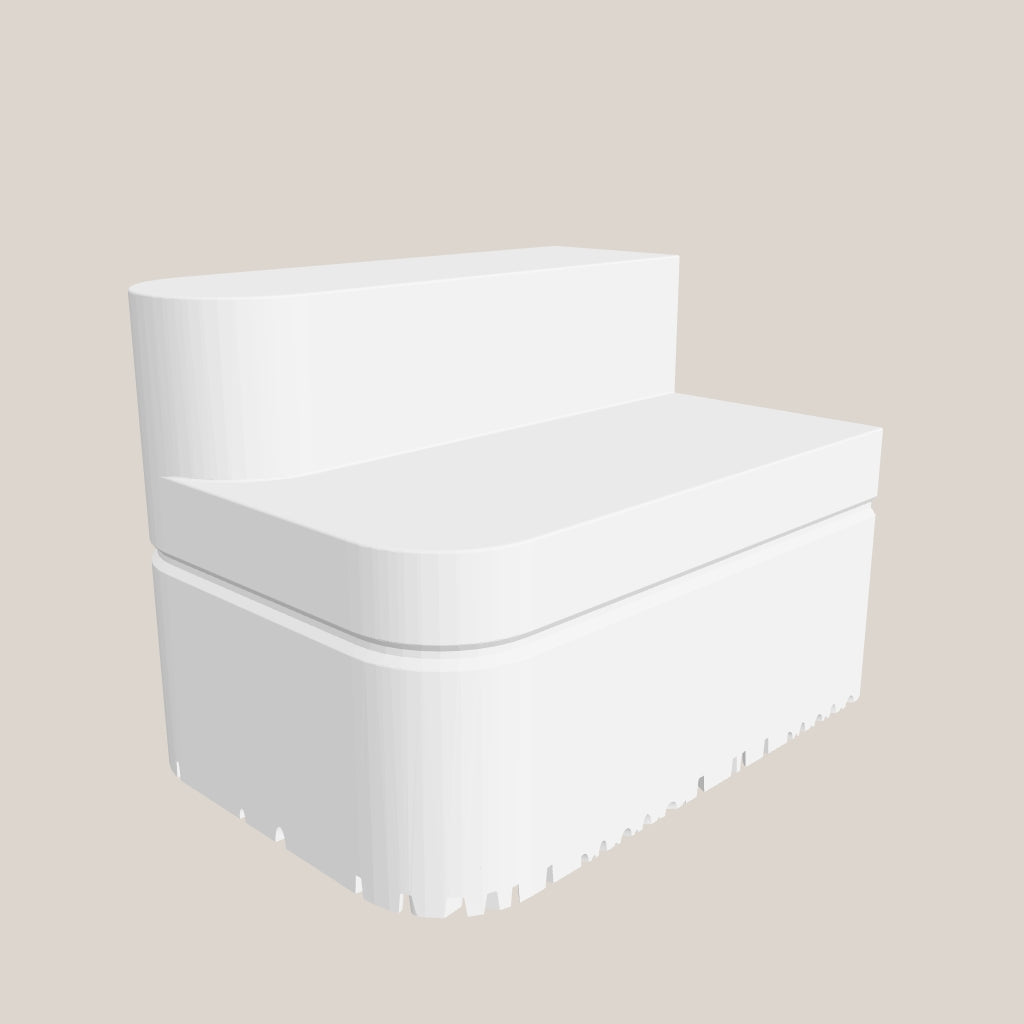
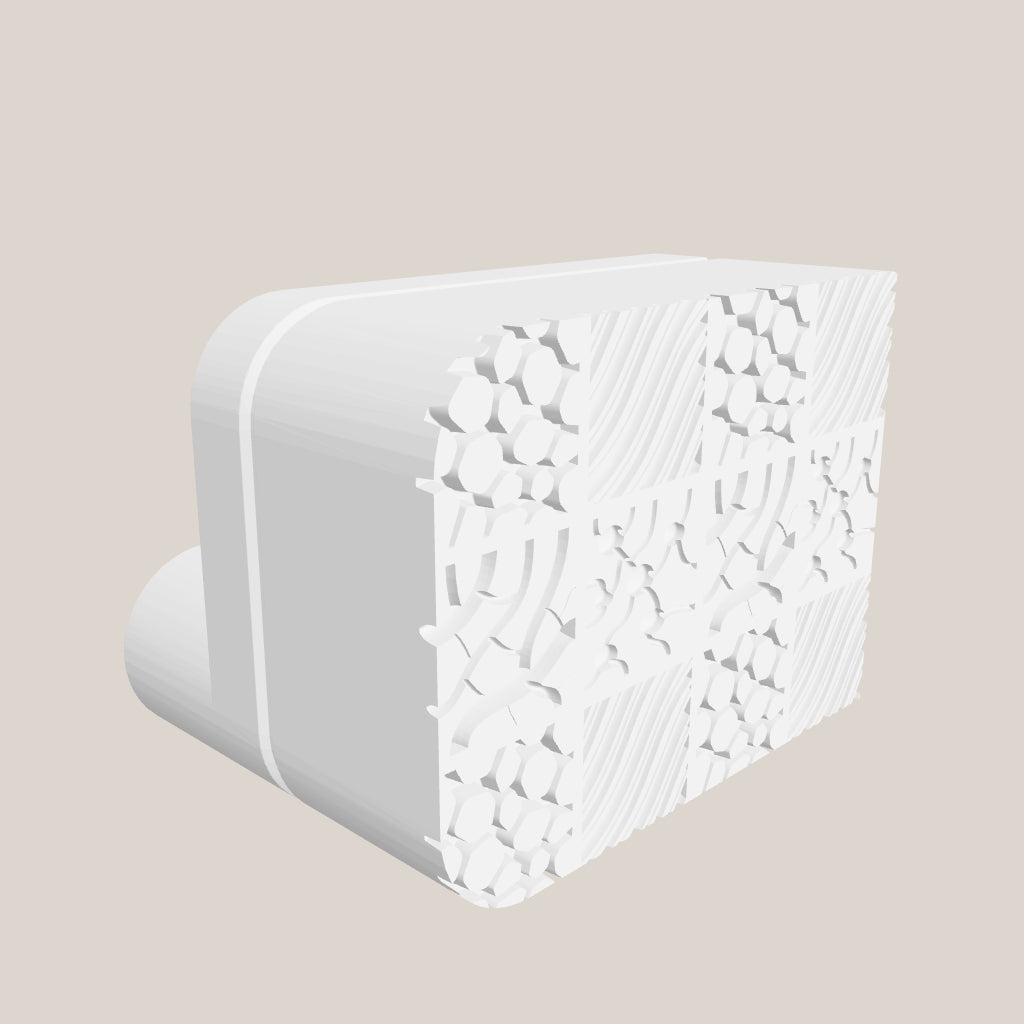
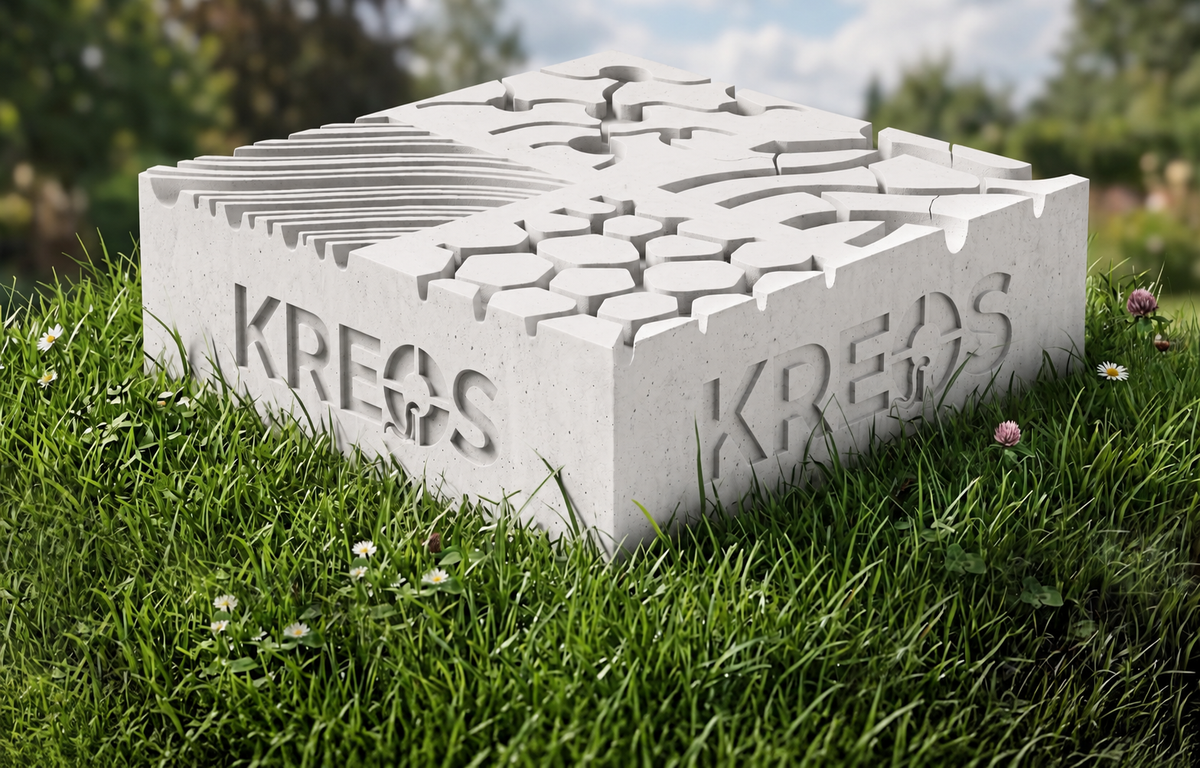
KREOS = EARTH FRIENDLY CAST STONE® + BIOTOPE BASE®
READ MORE ABOUT EARTH FRIENDLY CAST STONE®Visually, Earth Friendly Cast Stone® is barely distinguishable from traditional concrete, apart from its whitish colour. That's precisely the point. The value of KREOS lies not in what you see, but in what lives beneath the surface, in our Biotope Base®.
~ PATRICK SPEIJERS, Co-founder KREOS
Lumbri
See what's normally invisible
Slide right to view the Biotope Base®
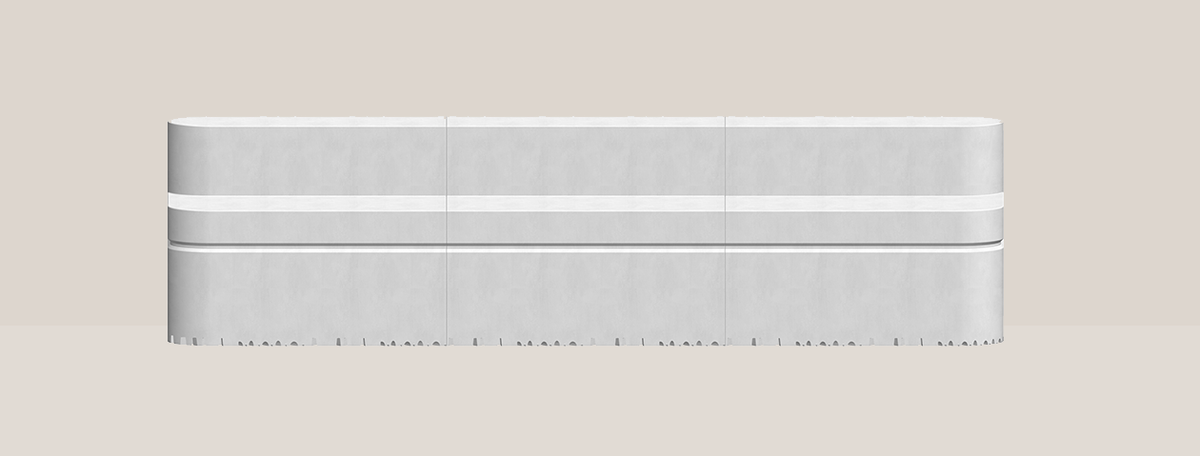
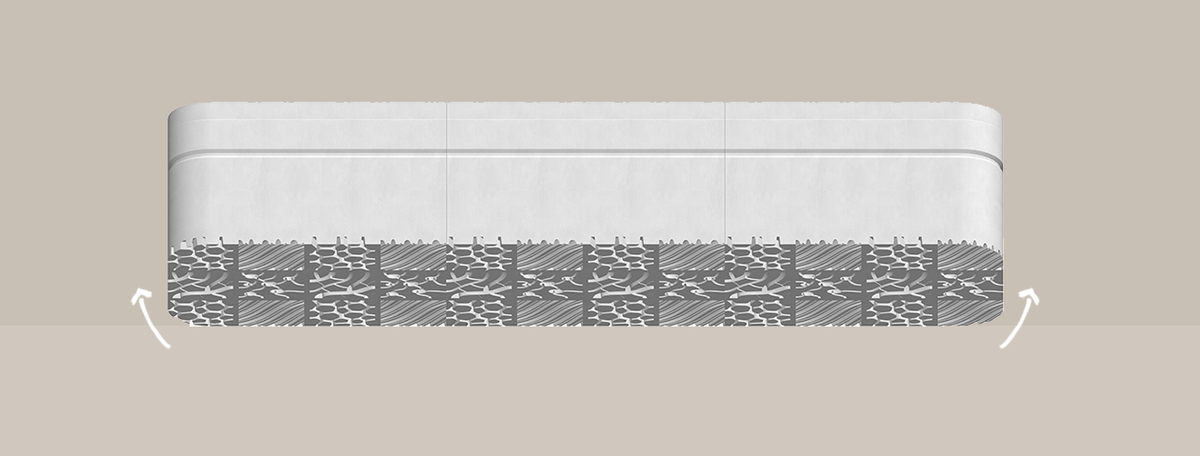
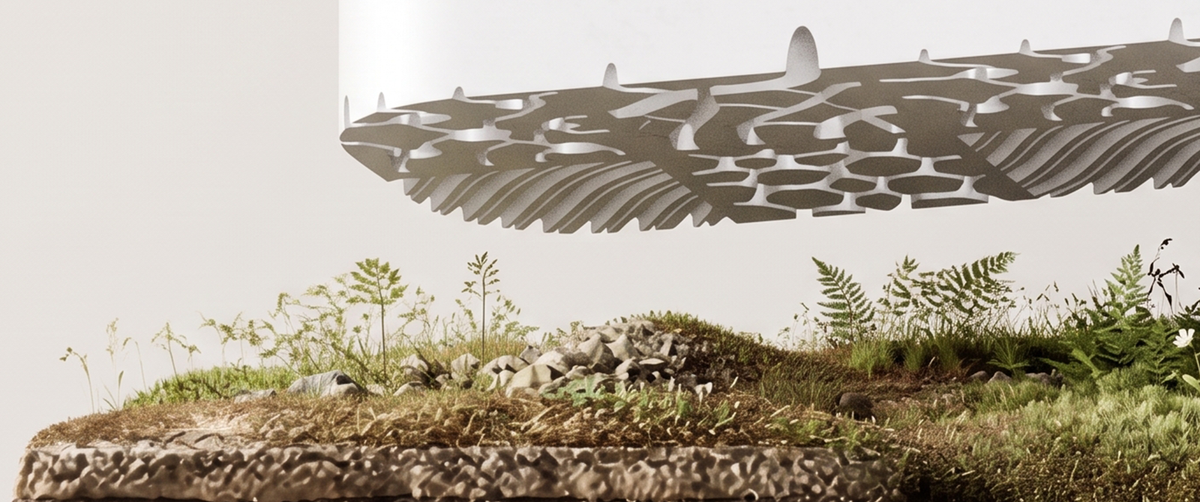
BIOTOPE BASE®
Biodiversity isn't added as an afterthought. It's an integral part of the underside of every object.

Join the search for the Tiny Ten and everything else that's alive down there!
The soil-dwelling Tiny Ten each contribute to breaking down organic waste into nutrient-rich soil.
Most do this simply by eating organic waste and excreting it as nutritious humus. Others lend an extra hand. Beetles help pollinate flowers, slugs and snails till the soil, and worms dig tunnels underground.
The tunnels a worm leaves behind aren't just useful for the worm itself, they also act as air channels that enable the exchange of oxygen and water, a path for plant and tree roots to grow into, and a shelter for other soil-dwelling (predatory) creatures.
You too can make a contribution. From 25 September through 12 October, the 12th edition of the Bodemdierendagen (National Soil Animal Days) takes place. Anyone can search for the Tiny Ten in their own garden or out in nature and submit their findings.
The Bodemdierendagen are organised by:

Our recommended pick if you want to learn more about soil life
DUTCH MOVIE: "Onder het Maaiveld"
Buy DVD or stream full version
LIFE AT THE BASE

ZERO BY DESIGN

CRAFTED FOR GENERATIONS